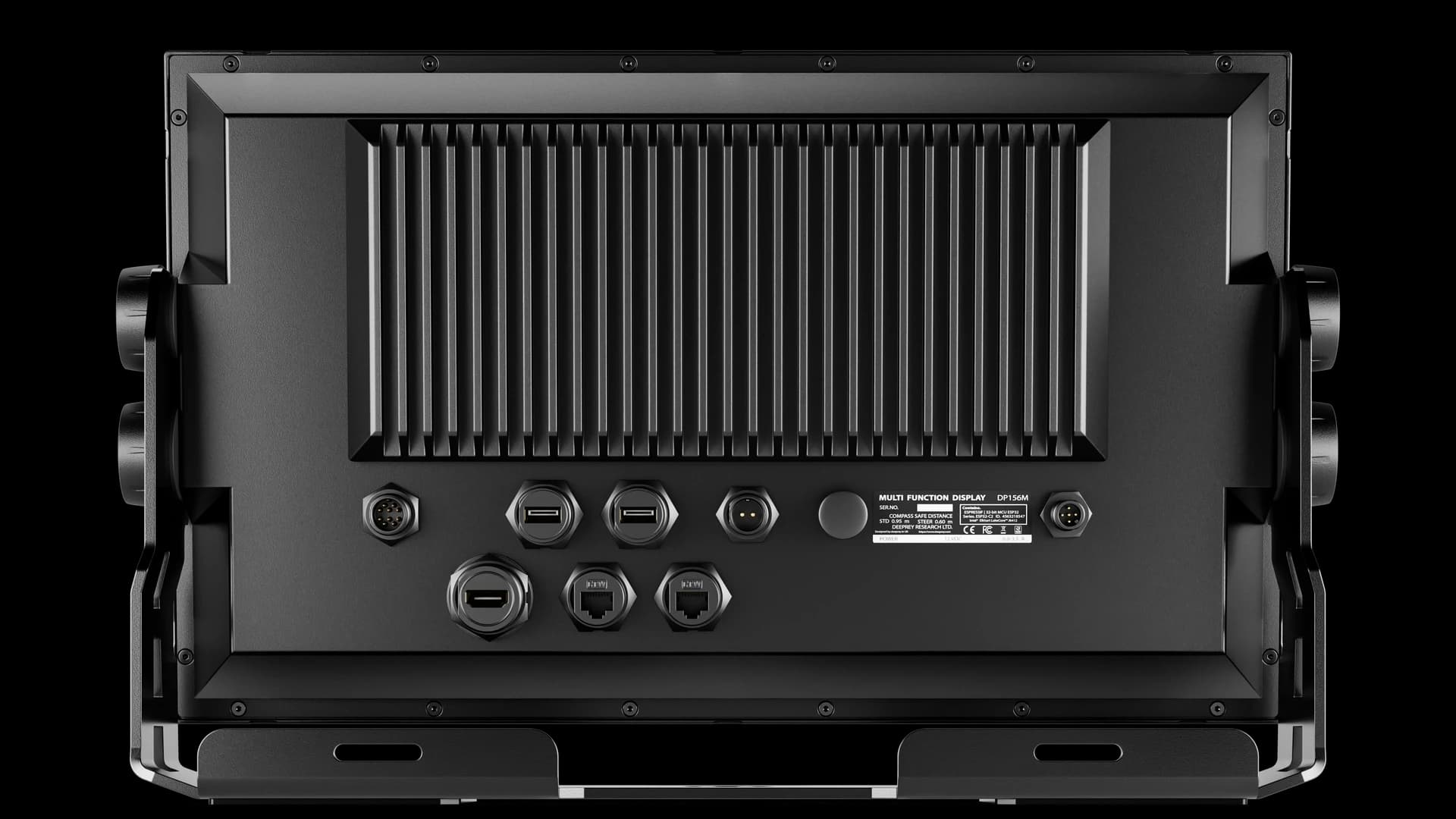
Commercial capability, recreational price.
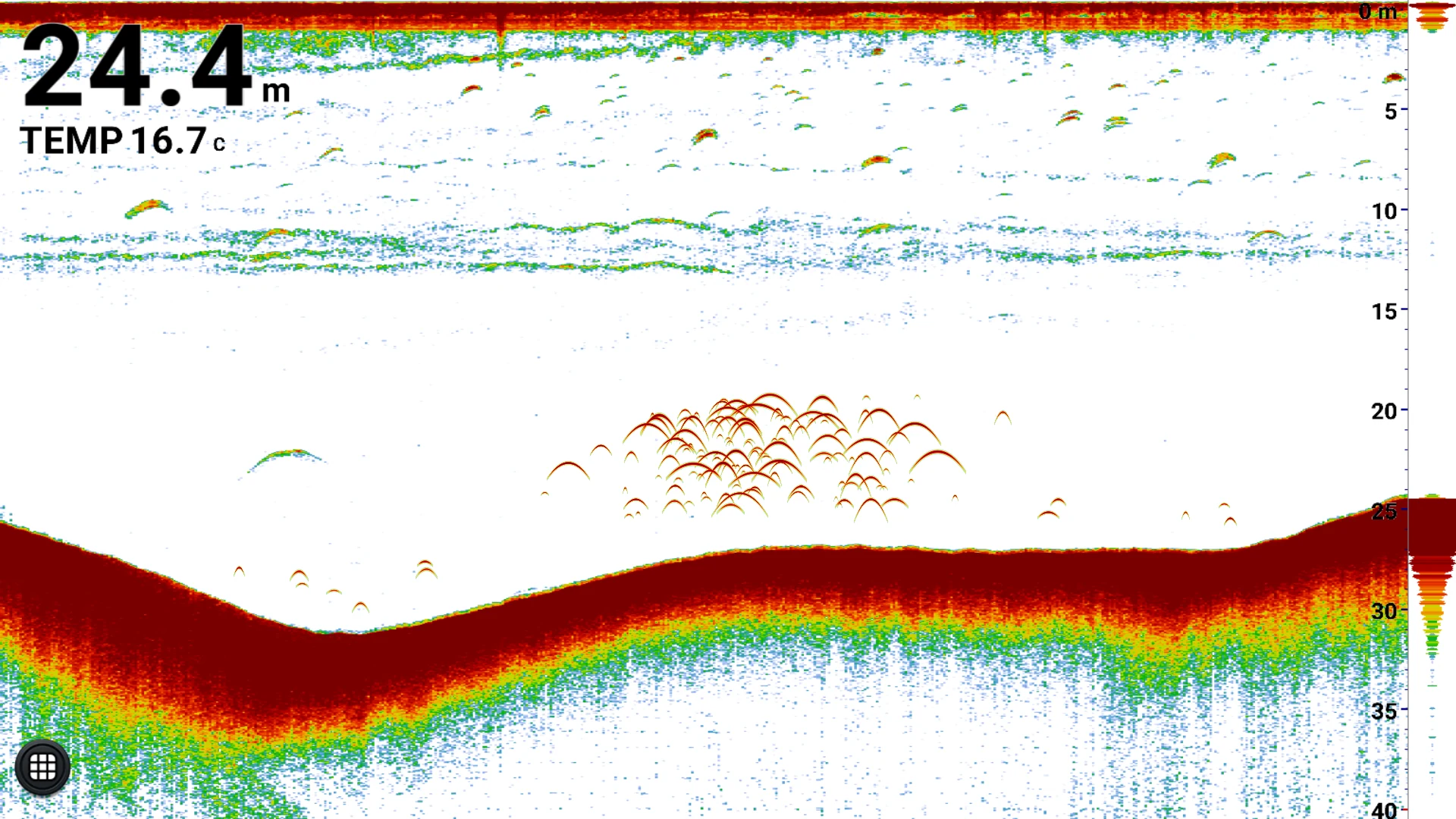
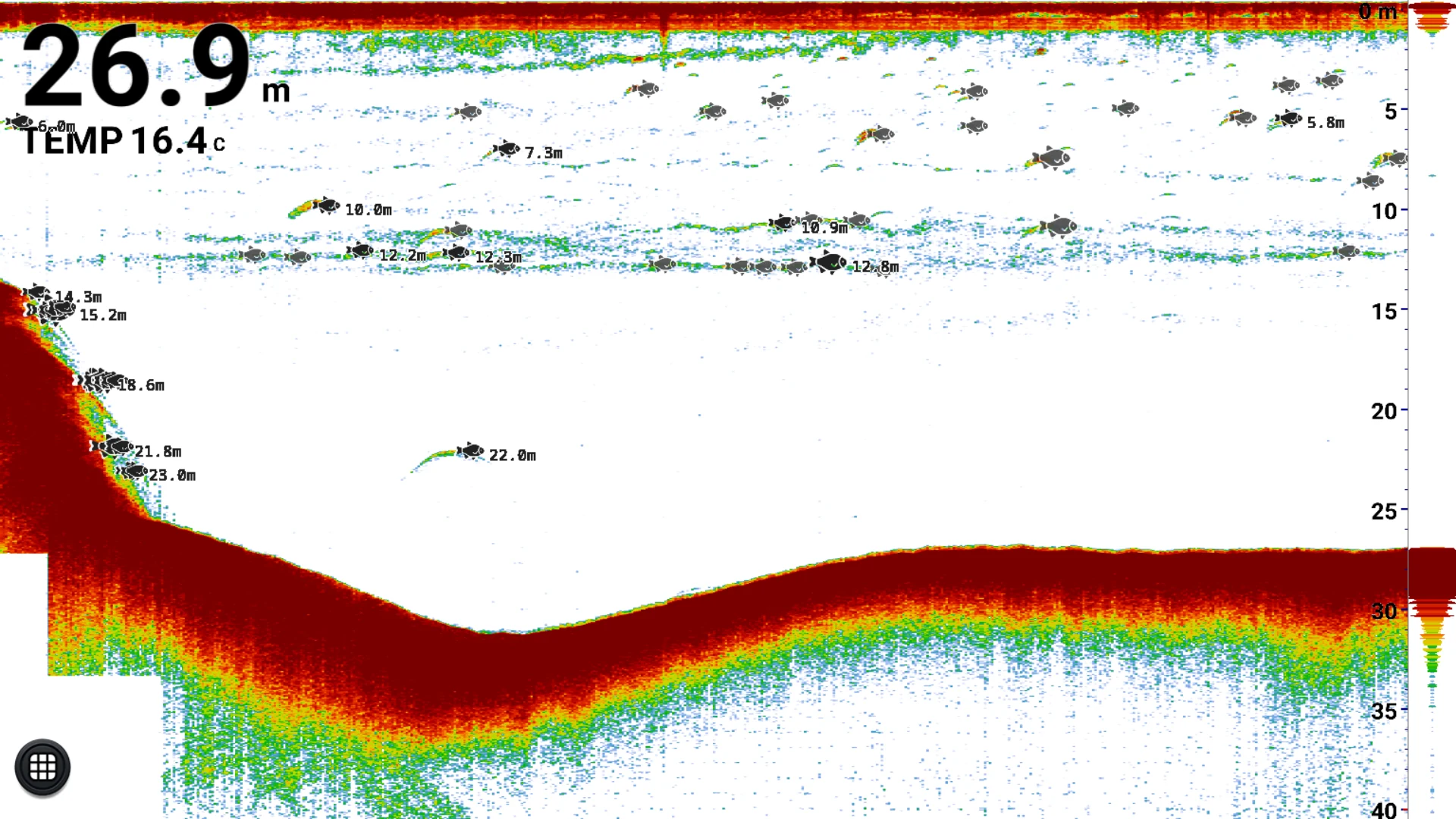
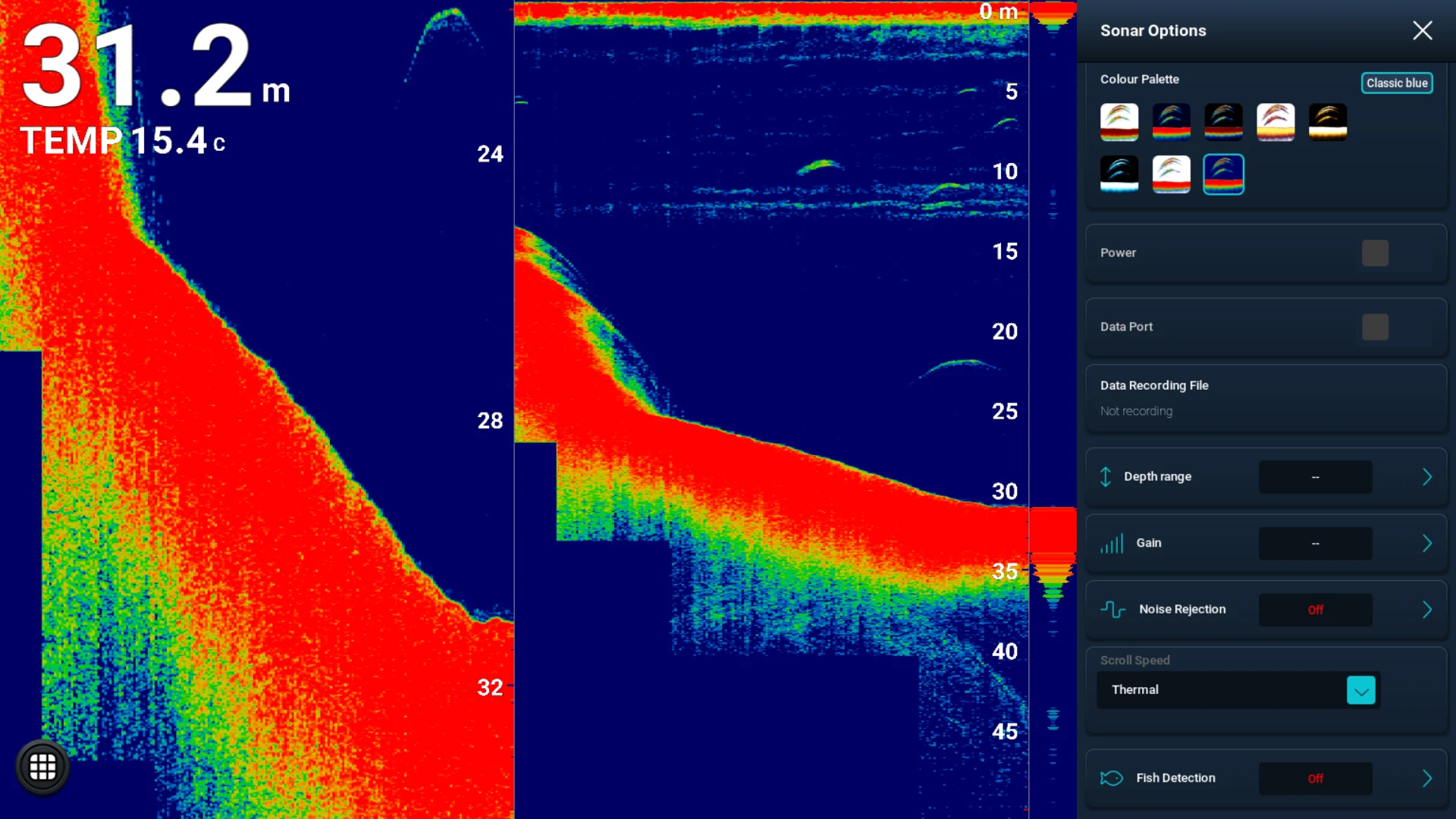

Auto-playing · tap to explore
ChartsHazard-first vector charts from real survey data — with auto-routing, tides and currents.
Three promises.
Pro features, not pro prices
3D seabed mapping and AI hazard detection, once the preserve of commercial fleets, now on recreational boats at recreational prices.
Proven open foundations
Fifteen years of battle-tested open-source navigation underneath, refined into a turnkey helm on top. Proven core, polished helm.
Compatible, not captive
That open heritage is what lets us talk to more of your gear — cross-brand radar especially, over standard NMEA — so Deeprey joins your electronics instead of replacing them.
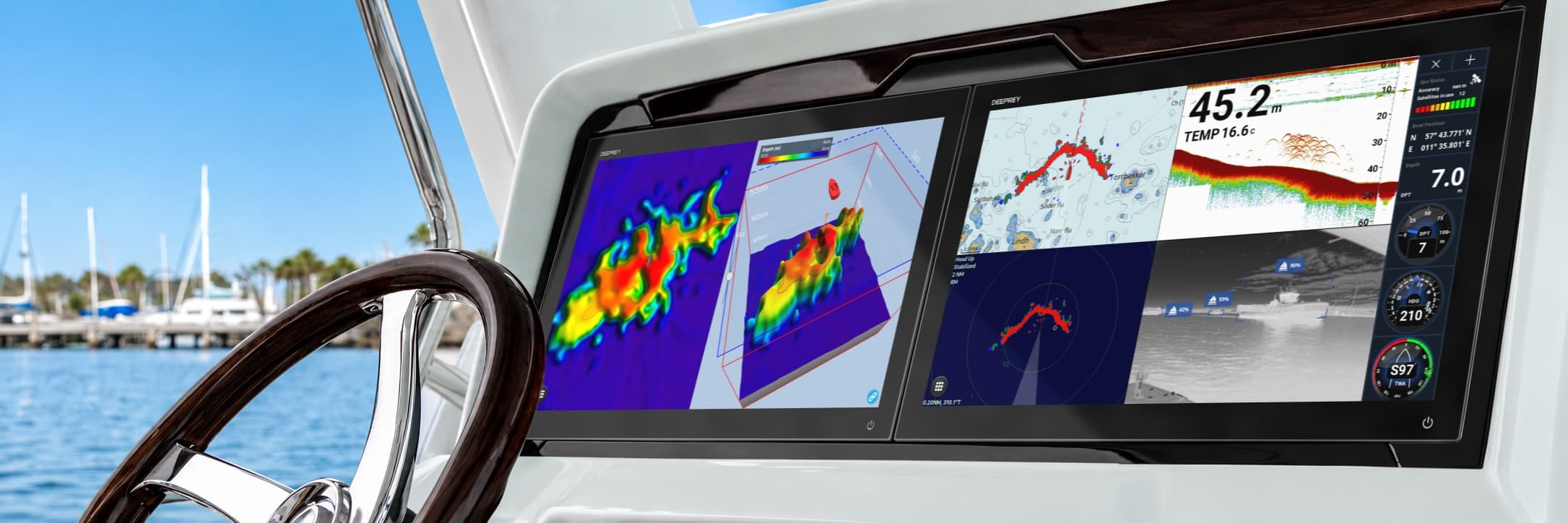
We know how displays fail. We build against it.
Ask any boater what killed their last display. A screen fogged from the inside. A touchscreen that went phantom, then went dead. A panel dimmed to nothing after two seasons of sun.
We bond the glass, so there is no air gap left to fog. Then we build the enclosure around the three things that quietly kill marine displays — heat, UV and engine vibration. Designed and assembled in the United Kingdom, tuned on the exact hardware it ships on.
Four sizes on one platform, from 12 inches up — a tight helm gets everything the flagship does, just on less glass.